Why Door Knob Locks Fail — and When Replacement Is the Right Call
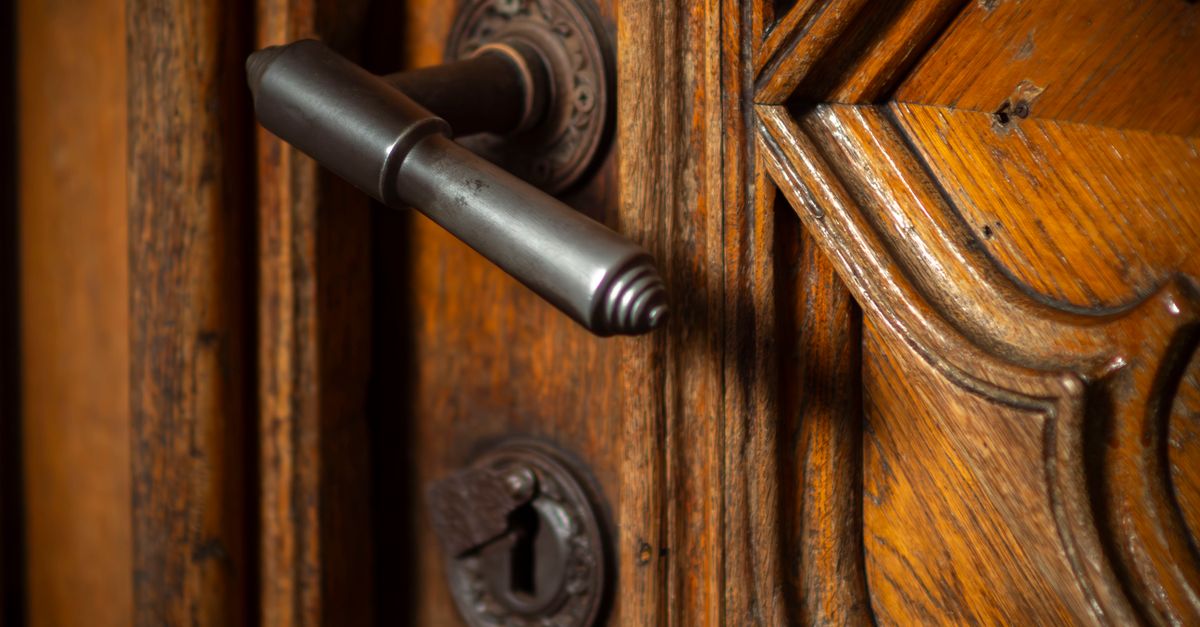
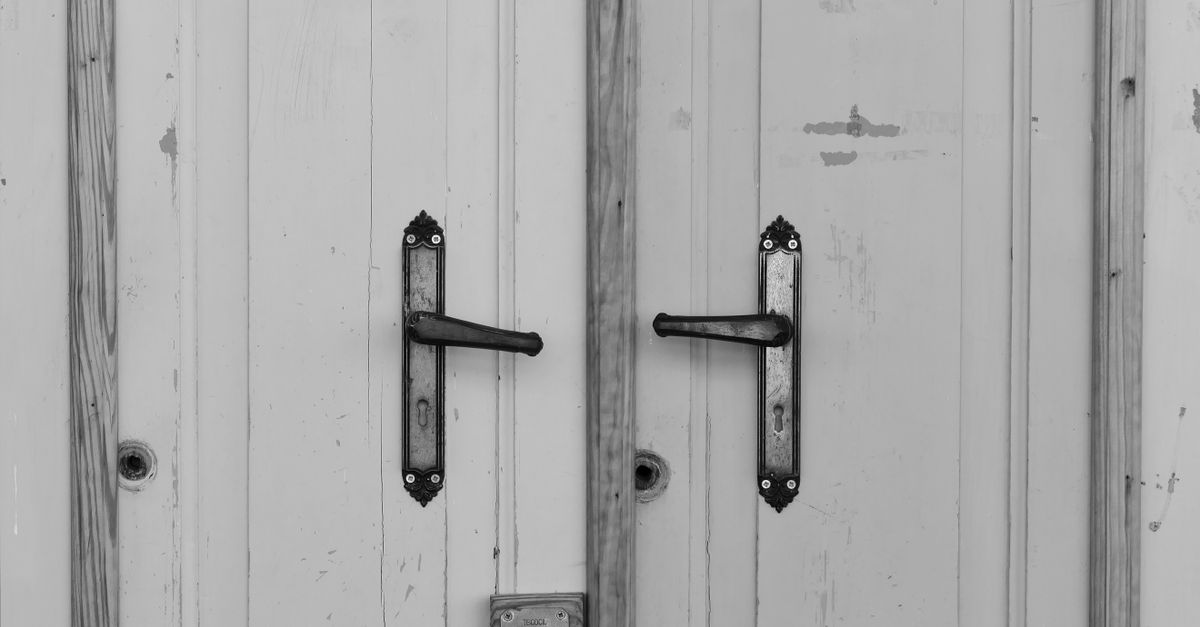
A door knob with lock looks simple from the outside, but the internal mechanism holds a surprising number of moving parts: a spindle, a cam, a spring latch, a strike plate, and a cylinder core — all of which wear independently. The most common failure pattern we see in Memphis homes is a knob that turns but does not retract the latch, caused by a broken cam or a sheared spindle. Close behind that is a cylinder that has developed excessive play, meaning the key still turns but the plug no longer drives the cam reliably. Both conditions feel like minor annoyances right up until the moment the door will not open from the inside or will not lock from the outside. In high-humidity environments like the Mid-South, the brass and zinc components inside economy-grade knob locks corrode from the inside out, and the degradation is invisible until the mechanism fails completely.
Replacement, rather than repair, is usually the correct call when the spindle is sheared, when the cylinder has been drilled or forced, when the knob itself is cracked, or when the lock is more than 10–12 years old and showing multiple symptoms simultaneously. Upgrading from a builder-grade knob lock to a quality Schlage or Kwikset mortise lock — or even a high-security knob with an ANSI Grade 1 cylinder — meaningfully raises the resistance of your entry door without requiring a new door or frame. Our technicians will show you the failed component on the spot so you understand exactly what failed and why the replacement we recommend is the appropriate solution.