How Car Key Replacement Works — Cut, Code, and Program
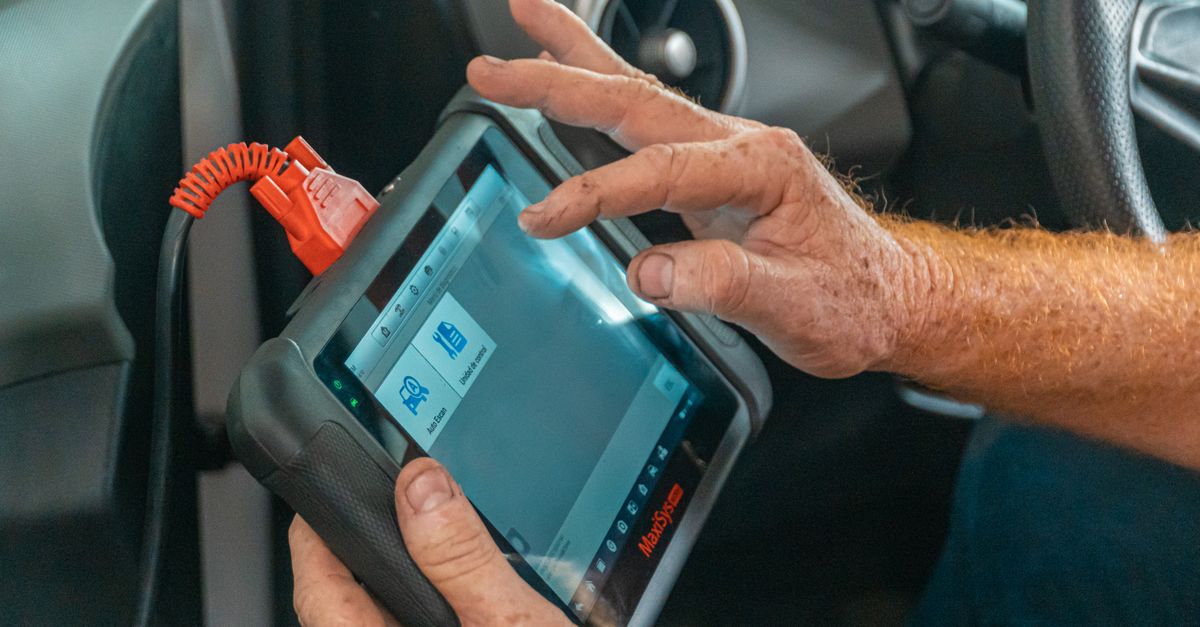
Modern vehicle keys are not simple metal blanks. Since the mid-1990s, virtually every major automaker has embedded a transponder chip inside the key head that communicates with the car's engine control unit. If the ECU does not receive the correct signal, the engine will crank but refuse to start — a theft-deterrent feature that also means cutting a new blade alone is not enough. Our technicians use professional-grade OBD-II diagnostic tools and key programmers to read the vehicle's existing codes, generate a new cryptographic match, and write it to your replacement key or fob — all roadside, with no need to visit a dealership service bay.
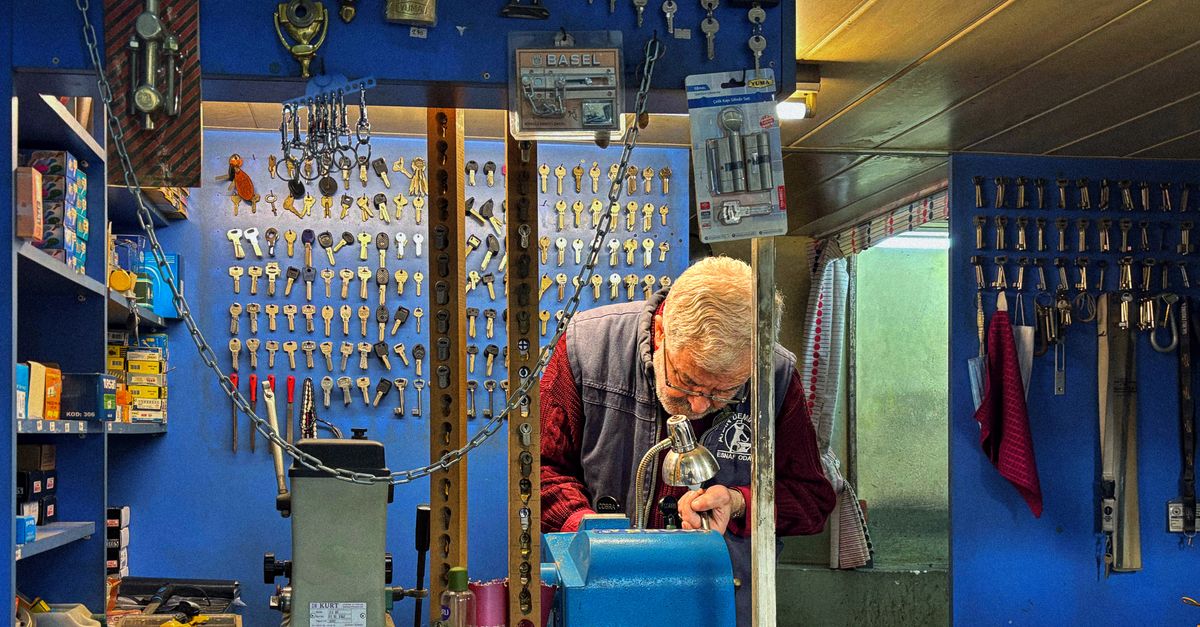
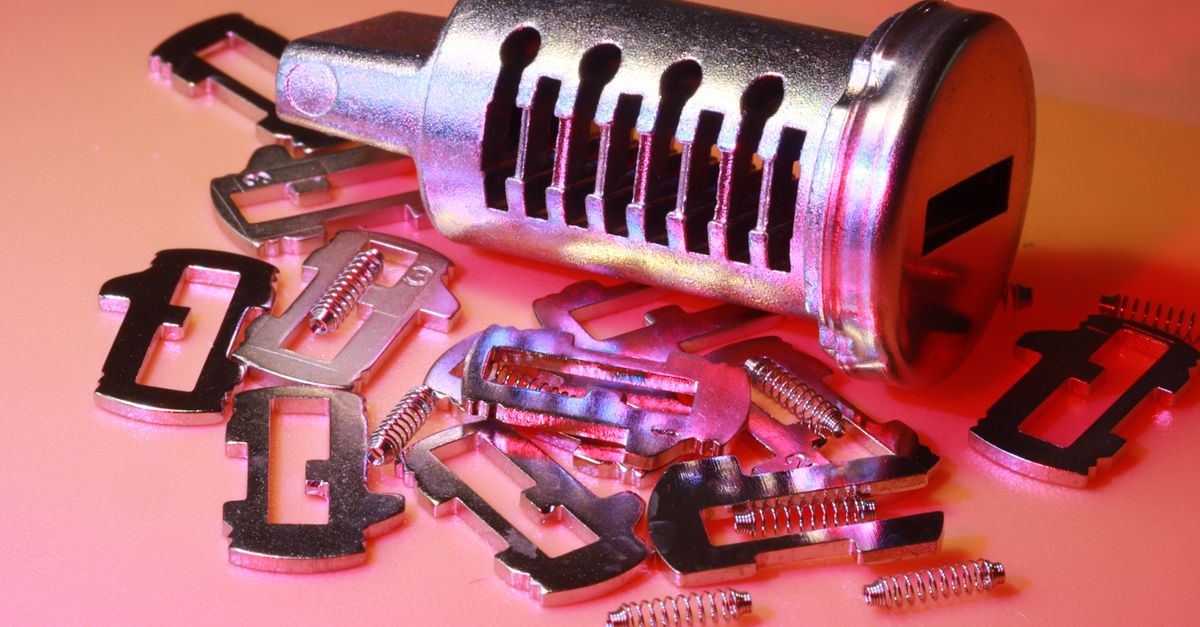
The process starts with verifying ownership. We ask for a government-issued photo ID and proof that you own or are authorized to operate the vehicle — typically a registration or title. This step protects every Memphis driver, including you, from unauthorized key duplication. Once ownership is confirmed, we measure the existing lock cylinder or door code (if accessible) to cut the blade on our mobile key-cutting machine, then connect to the vehicle's OBD port to program the transponder or fob. For vehicles where all keys are lost, we use specialized equipment to read the immobilizer seed key directly from the ECU or locksmith database — a process that requires skill and the right tools, not shortcuts.